
How to Wash and Store Salad Greens So They Stay Fresh
The best way to keep salad greens fresh is simple: wash them properly, dry them thoroughly, and store them in a way that keeps excess moisture from building up around the leaves.
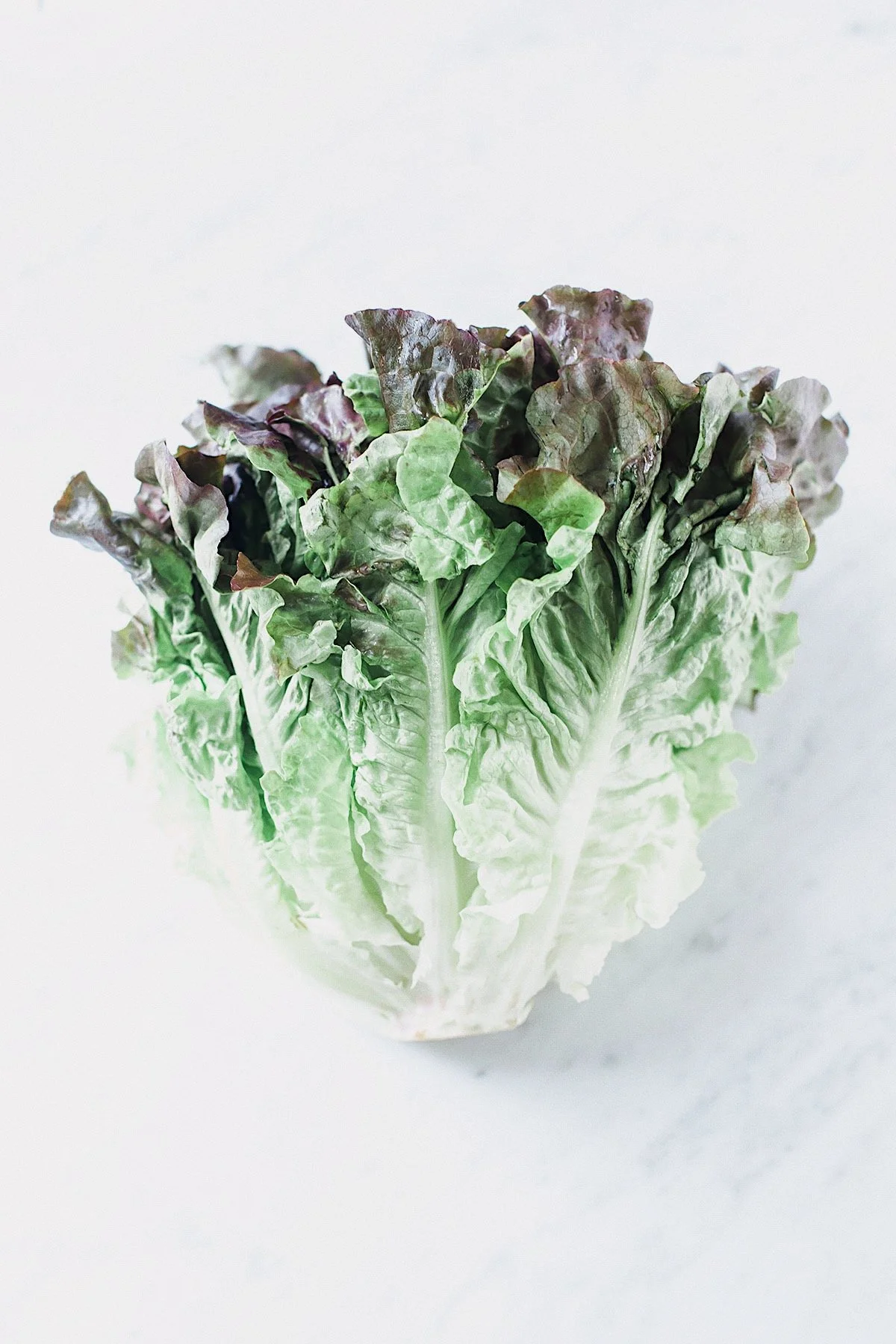
Salad greens are one of those ingredients that can make weekday meals easier — until they go limp two days after you buy them.
The issue is usually not the greens themselves. It is excess moisture, poor storage, or both. A few simple habits make a noticeable difference: buy the freshest greens you can, wash them correctly, dry them completely, and store them in a way that keeps condensation from settling around the leaves.
Start With Fresh Greens
Whether you are buying a full head of lettuce, a bunch of kale, or a container of pre-washed greens, quality at the start matters.
Look for leaves that are crisp rather than wilted, and avoid packages with visible condensation or damaged greens. If you are buying pre-cut or packaged greens, they should already be refrigerated at the store and should stay refrigerated once you get them home.
The FDA recommends storing perishable produce such as lettuce at 40°F or below. (source)
Whole heads and bunches tend to last well when handled properly and are often more economical, while pre-washed greens are useful when convenience matters more.
Do You Need to Wash Pre-Washed Greens?
Not necessarily.
If the package says “pre-washed,” “triple washed,” or “ready-to-eat,” the FDA says the greens can be used without washing them again. Rewashing is not required and can introduce cross-contamination if the sink, colander, or surrounding surfaces are not clean. (source)
For whole heads, loose greens, and anything not labeled ready-to-eat, rinse thoroughly under running water before eating. Skip soap, detergent, and produce washes; the FDA specifically advises against using them on fruits and vegetables. (source)
A Salad Spinner Is Worth the Space
A salad spinner is not essential, but it is one of the few kitchen tools that actually solves the problem it was designed for.
The point is not the spinning itself. It is getting the greens genuinely dry.
After washing, water tends to collect in folds and between leaves. If the greens go into storage wet, that trapped moisture speeds up wilting and creates the damp environment that makes lettuce deteriorate more quickly.
Use the outer bowl to wash the greens, lift out the basket, drain the water, then spin until the leaves feel dry rather than merely less wet. If needed, spin in batches. You can also spread the greens on a clean kitchen towel for a few minutes afterward.
The FDA also recommends drying produce after washing with a clean cloth towel or paper towel. (source)
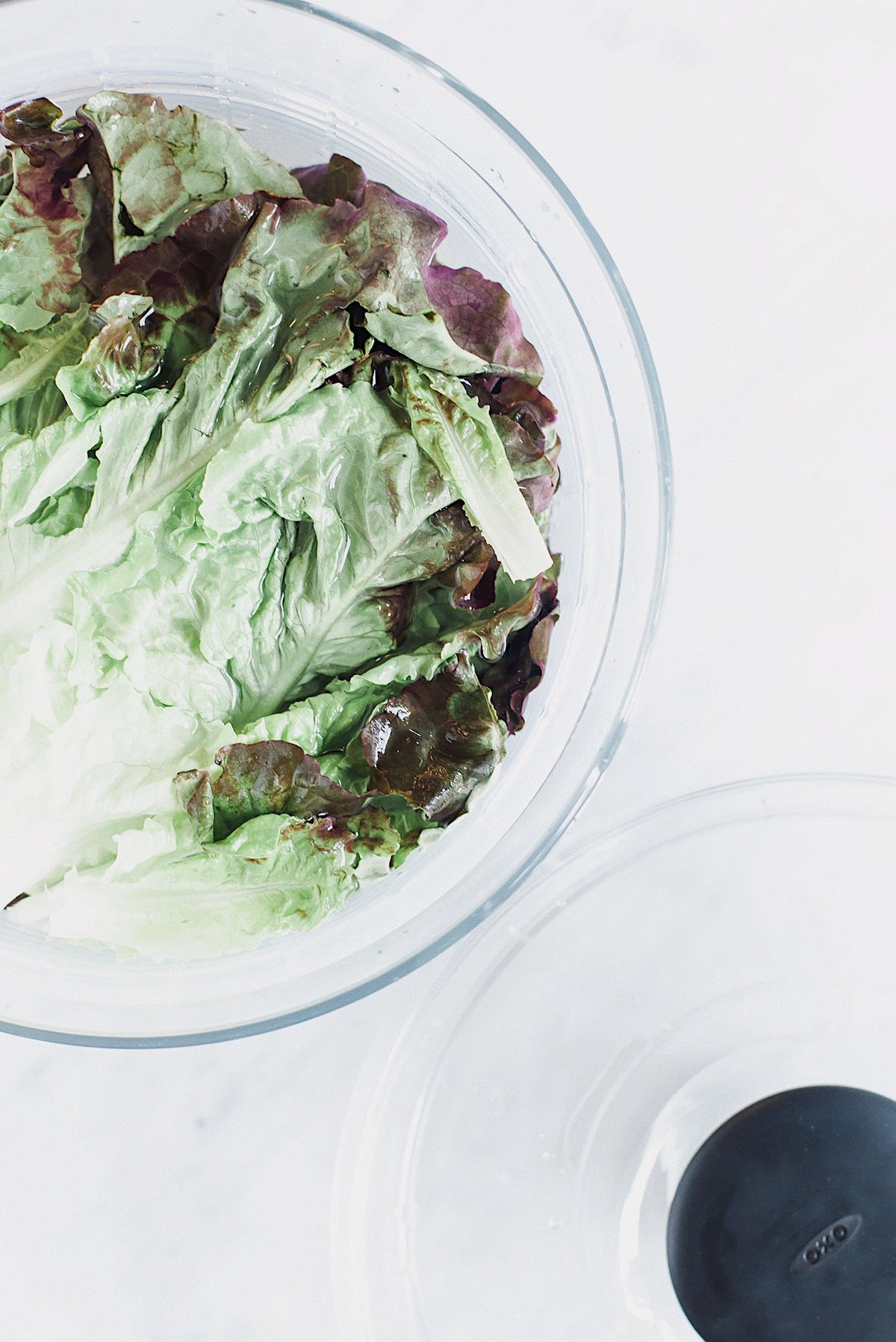
How to Wash and Store a Full Head of Lettuce
Separate the leaves, discard any that are bruised or damaged, and rinse them well under cool running water. Gently agitate the leaves with your hands to loosen dirt, then transfer them to a salad spinner.
Spin until thoroughly dry.
Once dry, line a clean storage container with a paper towel or thin clean cloth. Add the greens loosely rather than packing them down, then place another paper towel on top before closing the lid. The towels help absorb the small amount of moisture that inevitably remains. If the top towel becomes noticeably damp after a day or two, replace it.
You can also store the greens directly in a clean salad spinner in the refrigerator if you have the space. The basket keeps the leaves from sitting directly against any moisture that collects at the bottom.
How to Store Pre-Washed Greens
For greens that come in a clamshell or plastic box, the goal is mostly to control condensation.
First, remove any leaves that are already wilted or starting to break down. One damaged leaf can hold a surprising amount of moisture against the rest.
Then place a clean paper towel inside the container before closing it again. The towel helps absorb moisture as it accumulates. Replace it if it becomes damp.
For greens sold in bags, I prefer transferring them to a sturdier container once opened. Bags tend to trap moisture and compress the leaves, especially when they are pushed around in a crowded refrigerator.
Whatever container you use, keep cut leafy greens cold. FDA guidance for food-service settings recommends storing cut leafy greens at 41°F or below because refrigeration slows the growth of pathogens that may be present. (source)
Why This Matters for Digestion
This is not really a “gut health” technique, and I would not pretend that it is.
What it does do is make it easier to keep fresh vegetables in rotation.
When greens are already washed, dry, and ready to use, adding a handful to lunch or dinner requires very little effort. That makes consistency easier, and consistency matters more than trying to force enormous salads into your day because you feel like you should.
Leafy greens contribute fiber, water, vitamins, minerals, and plant compounds, but they do not need to be the entire meal. If very large raw salads leave you feeling bloated or uncomfortable, use a smaller amount of greens and add cooked vegetables, protein, grains, or legumes alongside them.
Prepared greens are simply one tool for making that kind of meal easier to build.
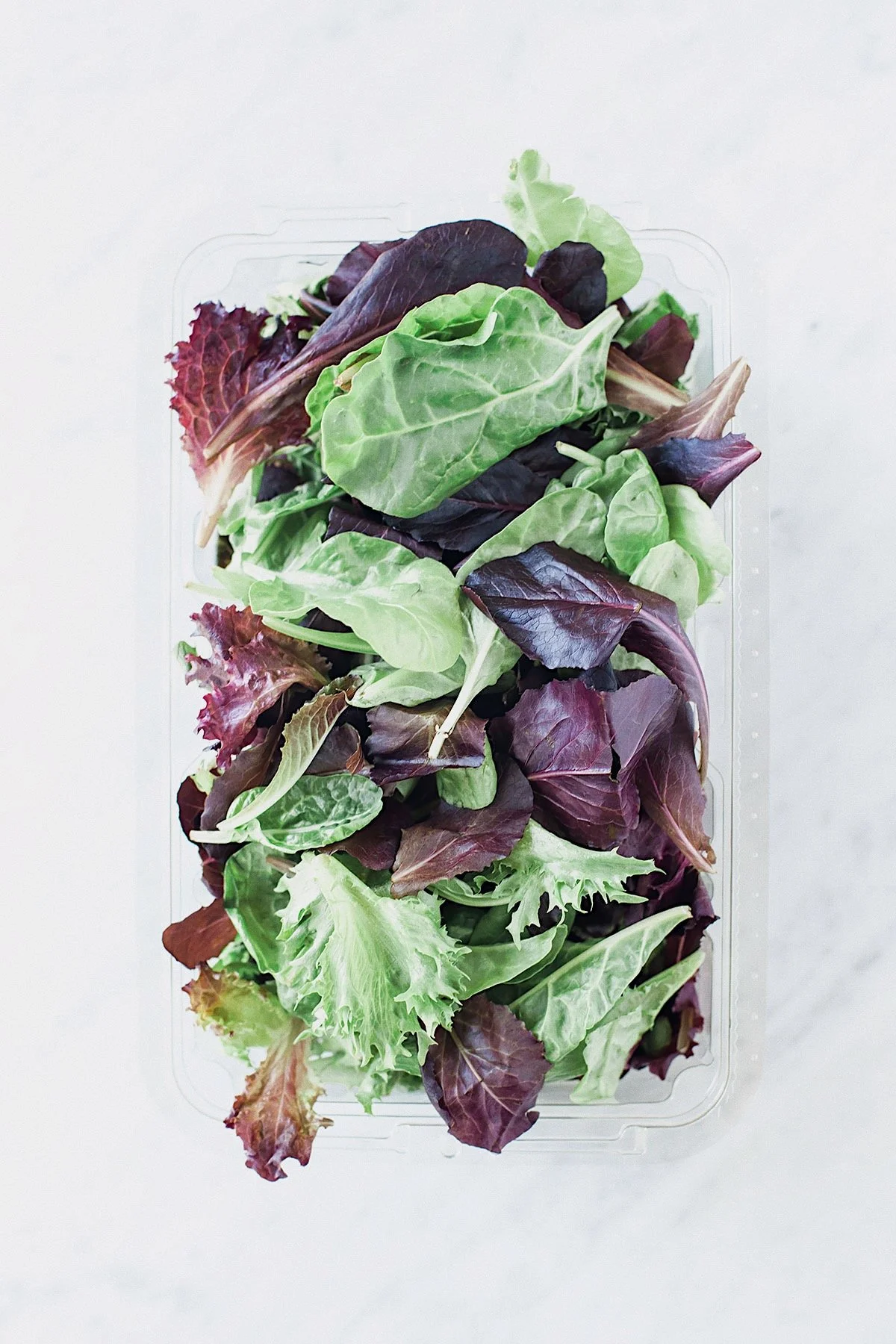
How Long Will Salad Greens Stay Fresh?
There is no exact number because freshness depends on the type of green, how old it was when purchased, how dry it is before storage, and the temperature of your refrigerator.
Heartier greens such as romaine, kale, and cabbage generally hold up longer than delicate spring mixes. Regardless of the variety, discard greens that become slimy, develop an off smell, or show obvious spoilage.
The goal is not to stretch lettuce indefinitely. It is to give good produce the best chance of staying good long enough to use it.
Make Lunch Easier From Here
Once your greens are washed, completely dry, and stored properly, the rest of lunch becomes much simpler.
Use them as the base for a quick salad, tuck them into wraps, add them to grain bowls, or prep several lunches at once. If you want to take the next step, read How to Pack Salads That Stay Fresh All Week for the layering method that keeps dressing and moisture away from delicate greens.
The system is uncomplicated: start with fresh greens, keep them cold, keep them dry, and make them easy to reach. That is usually enough.