How to Pack Salads That Stay Fresh All Week
The simplest way to meal prep salads without ending up with soggy greens: keep moisture away from the leaves, layer ingredients by weight and texture, and add delicate toppings at the last minute.
A good make-ahead salad is less about the recipe than the architecture. Most of the problems come down to moisture: dressing sits against the greens, roasted vegetables go into the container while they are still warm, or juicy ingredients soften everything around them. By the middle of the week, the salad may still be edible, but it is no longer something you want for lunch.
The fix is simple: keep the greens dry, keep the dressing away from them, and layer everything in an order that protects the most delicate ingredients. Once that structure is in place, you can use almost any combination of vegetables, beans, grains, protein, herbs, nuts, or seeds.
Start With Dry Greens
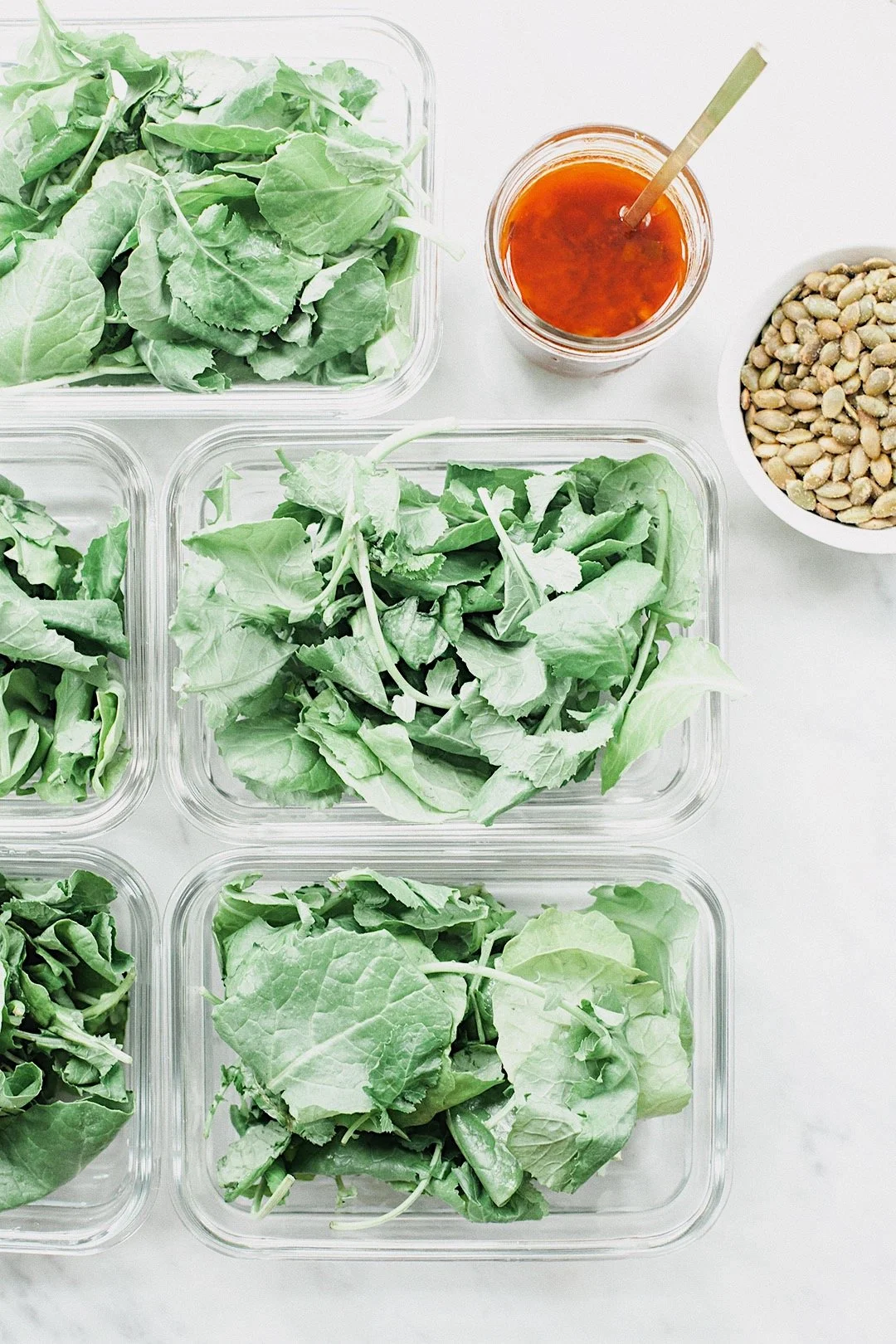
If there is one rule worth following, it is this: do not pack wet greens. Moisture speeds up deterioration and makes delicate leaves collapse more quickly, so if you wash lettuce or kale before meal prep, dry it thoroughly before it goes into a container. A salad spinner is useful, but clean kitchen towels work too.
This is also why I prefer prepping greens separately before assembling the salads. Once they are washed, completely dry, and chilled, the rest of the process becomes much more forgiving. For a sturdier base, kale, romaine, cabbage, and heartier mixed greens tend to hold up better than very delicate lettuces.
Choose the Right Container
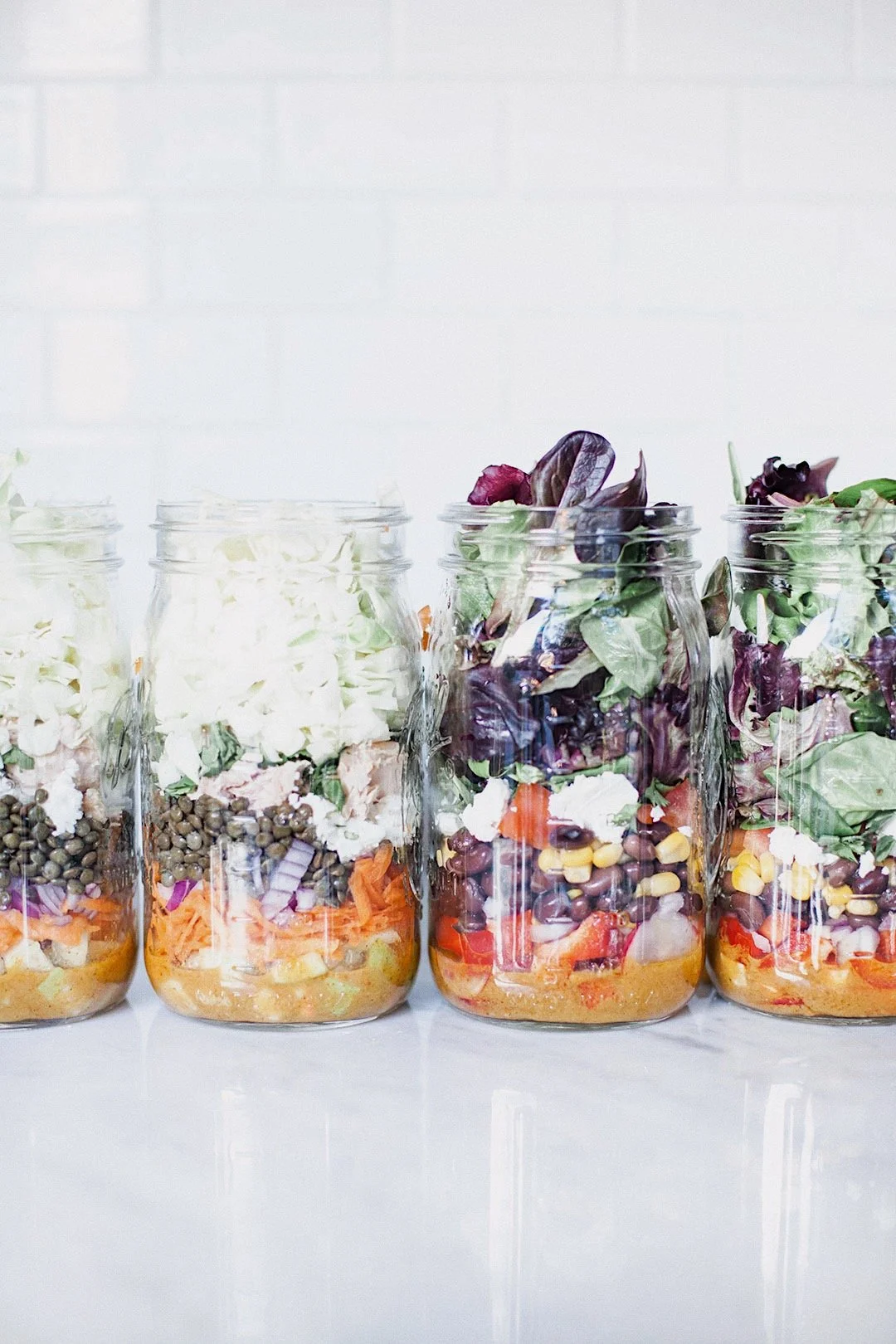
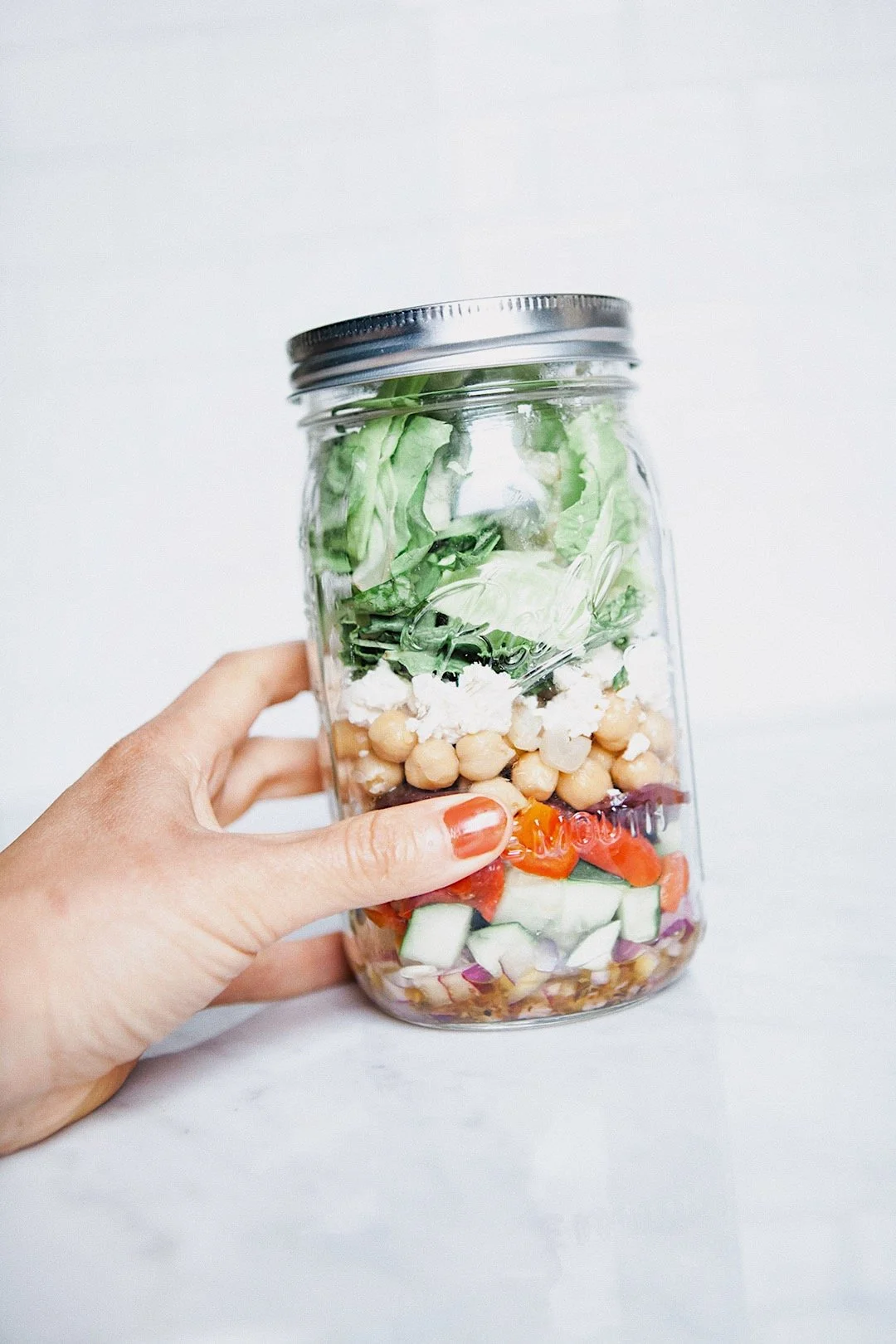
The best container is simply one that closes securely and gives the ingredients enough room. Wide glass containers work well when you prefer to keep the dressing separate, while mason jars are useful when you want the dressing inside the same container because their vertical shape allows you to create distinct layers.
The important part is separation. If the dressing is in the same container, it belongs at the bottom. Greens belong at the top. Keep the container upright until you are ready to eat.
The Layering Order
For mason jar salads, work from the bottom up.
1. Dressing
Start with two to four tablespoons of dressing. This creates a flavor base for the denser ingredients while keeping the greens protected at the opposite end of the jar.
2. Firm vegetables
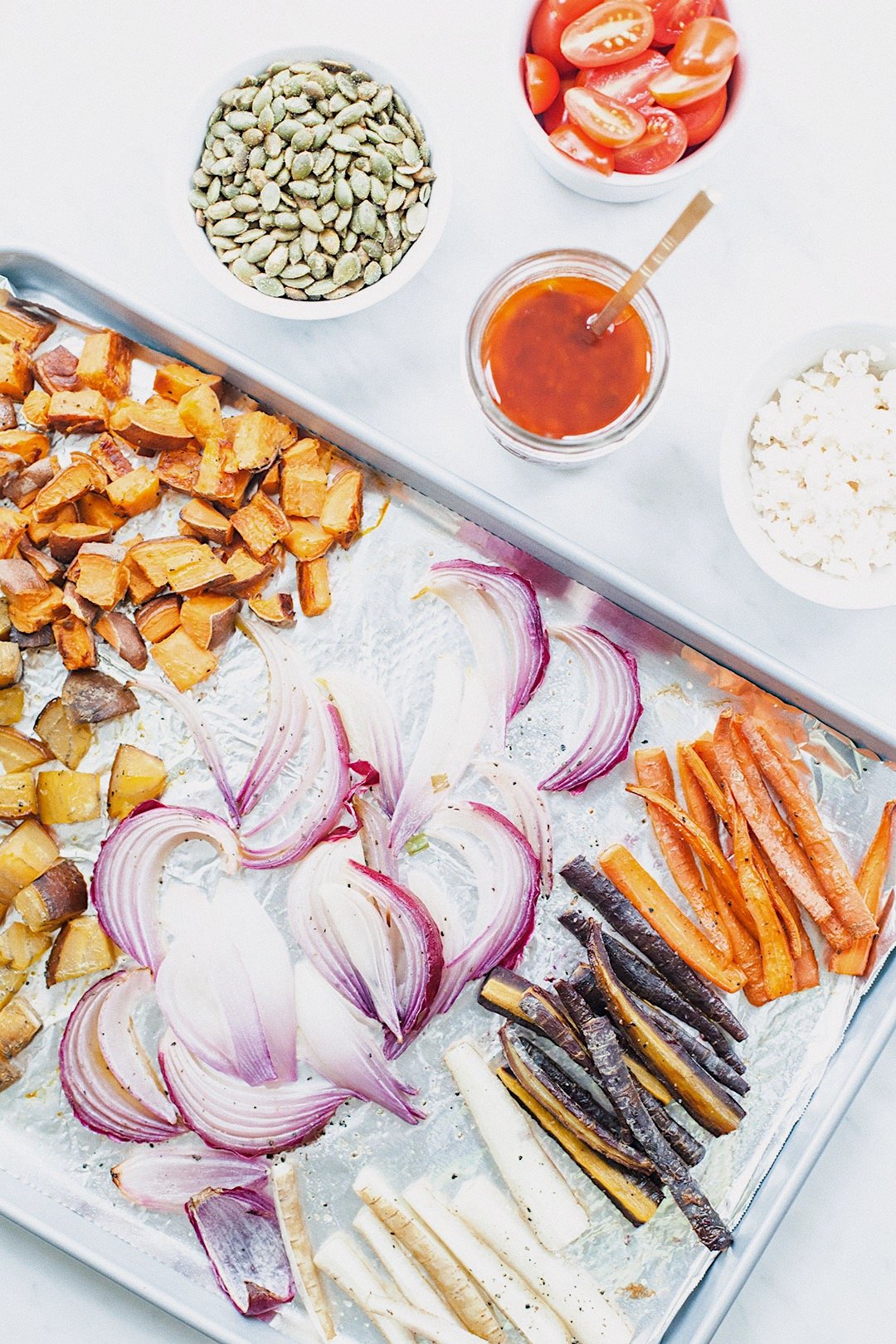
Add vegetables that can tolerate a little time in the dressing: chopped onion, radish, carrots, peppers, cucumber, cabbage, or roasted root vegetables that have been completely cooled. These ingredients create a buffer between the dressing and everything above them.
3. Beans, grains, or legumes
Next come chickpeas, lentils, quinoa, farro, brown rice, or another cooked grain. These ingredients are sturdy enough to sit lower in the jar and also make the salad more substantial.
4. Protein and cheese
Add cooked chicken, tofu, hard-boiled eggs, feta, goat cheese, or another protein if using. If you are adding cooked meat, fish, eggs, or other perishable leftovers, plan on three to four days rather than a full five. Prep the greens, vegetables, dressing, and pantry ingredients for the week, then refresh the protein as needed. USDA food-safety guidance generally recommends using cooked leftovers within three to four days. (source)
5. Greens
Pack the greens on top, where they stay as dry and untouched as possible. You can press them down lightly, but there is no need to compress them aggressively. A little air is fine; trapped moisture is what causes problems.
6. Delicate toppings go in later
Avocado, berries, fresh herbs, roasted nuts, seeds, and anything you want crisp are better added the day you eat the salad. Those ingredients do not need to spend several days in the refrigerator if they are better fresh.
Why This Works for Digestion, Too
Meal prep is often framed as an organizational trick, but it can also make it easier to build meals with more variety and fiber without thinking about it every day. A well-built salad can include greens, cooked vegetables, legumes, seeds, herbs, and whole grains in one meal, giving you a range of plant foods and different types of fiber rather than relying on a single ingredient to do all the work.
For digestion, variety generally matters more than creating a “perfect” salad. Beans may work well for one person and feel like too much for another. Raw cruciferous vegetables may be fine one week and less comfortable the next. The structure is flexible enough to adjust.
If very large raw salads tend to leave you bloated, make the bowl more balanced: use a smaller amount of raw greens, add cooked vegetables, include a source of protein and fat, and eat it as a complete meal rather than a mountain of lettuce. The goal is nourishment, not volume.
Build a Salad That Actually Holds You
The most satisfying make-ahead salads have more than greens and dressing. Think in categories: greens, vegetables, protein, fat, and something bright.
Greens: romaine, kale, cabbage, mixed greens
Vegetables: roasted sweet potato, carrots, peppers, cucumber, radish
Protein: chicken, tofu, eggs, chickpeas, lentils
Fat: olive-oil dressing, avocado, nuts, seeds, cheese
Something bright: lemon, herbs, pickled vegetables, fruit
You do not need every category every time, but the general structure keeps lunch from becoming something you finish and immediately follow with another snack. The Fall Kale and Apple Salad is a good example of this approach: hearty greens, roasted sweet potatoes, apples, pecans, feta, and optional chicken, all in one bowl.
Keep the System Simple
The point of meal prep is not to turn Sunday into a second job. Wash and dry the greens. Roast one tray of vegetables. Cook one grain or protein if you need it. Make one dressing. Then use those components in different combinations.
Once the pieces are ready, assembling lunch takes a few minutes. A good system should reduce decisions later in the week, not create more work upfront.
Dry greens. Dressing at the bottom. Delicate ingredients at the top or added later. That is really the whole method.