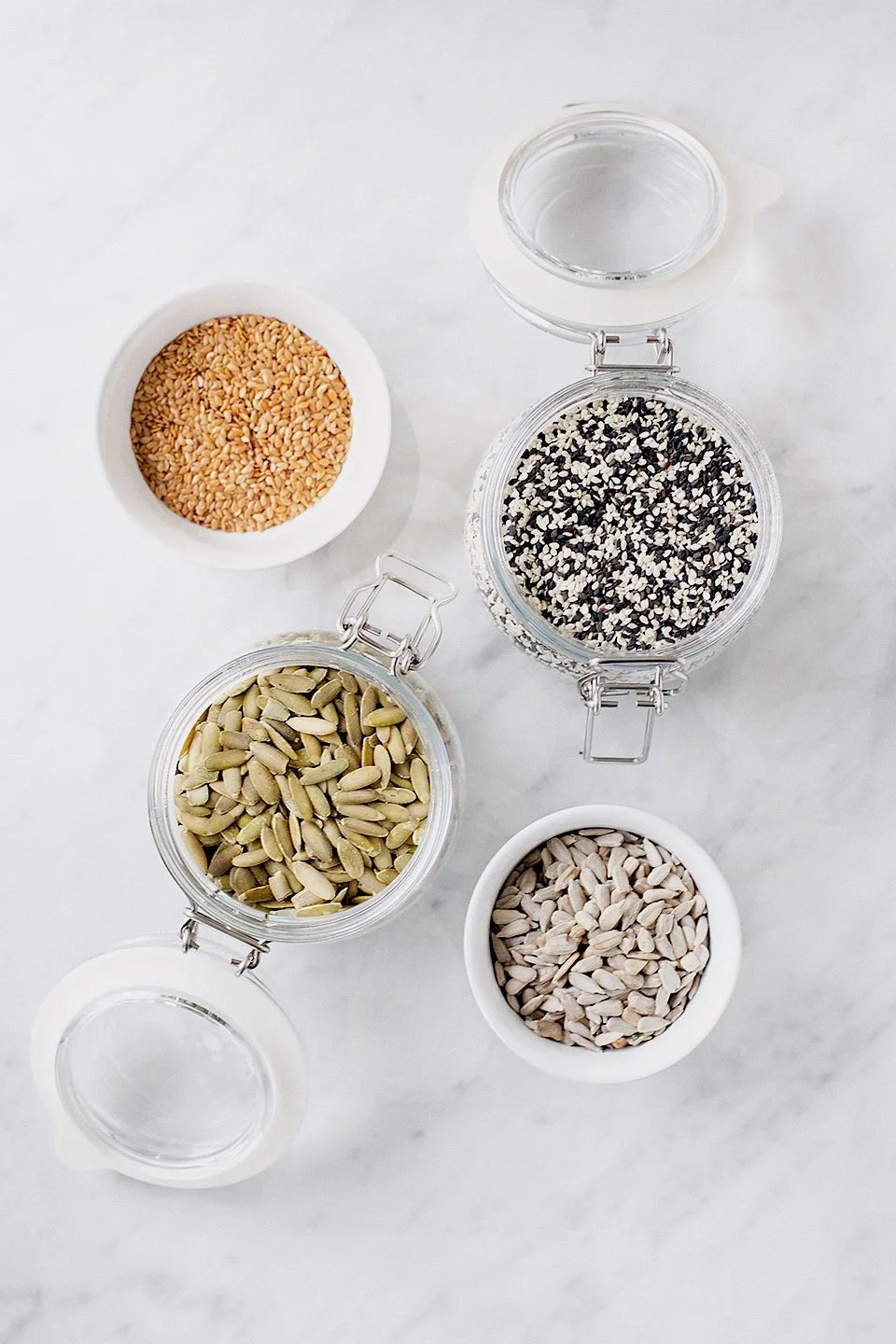
A gentle, food-based way to support your hormones naturally. This is your guide to seed cycling for hormone balance — how to use nutrient-dense seeds throughout your cycle, the potential benefits, and how to make the practice part of your routine.
What Is Seed Cycling?
Research on seed cycling is still emerging, but there’s reason to be interested. A 2025 systematic review on seed cycling found promising evidence for improvements in menstrual regularity, PMS symptoms, hormonal markers, and metabolic health, particularly with flax and sesame seeds. The studies were small, so seed cycling is best thought of as a supportive nutrition practice rather than a treatment.
Seed cycling is the practice of eating specific seeds during each phase of your menstrual cycle to encourage natural hormone balance. The idea is to provide nutrients that support estrogen metabolism during the first half of the cycle and progesterone production during the second. Seed cycling may help support menstrual regularity and PMS symptoms, although individual results vary.
From a functional nutrition perspective, this practice also supports digestion. The gut plays a role in estrogen metabolism, while regular elimination helps the body excrete metabolized hormones.
Seed cycling is most often used by menstruating women, but the seeds themselves provide fiber, healthy fats, lignans, vitamins, and minerals that can be valuable throughout different stages of life.
Understanding the Two Phases in Seed Cycling
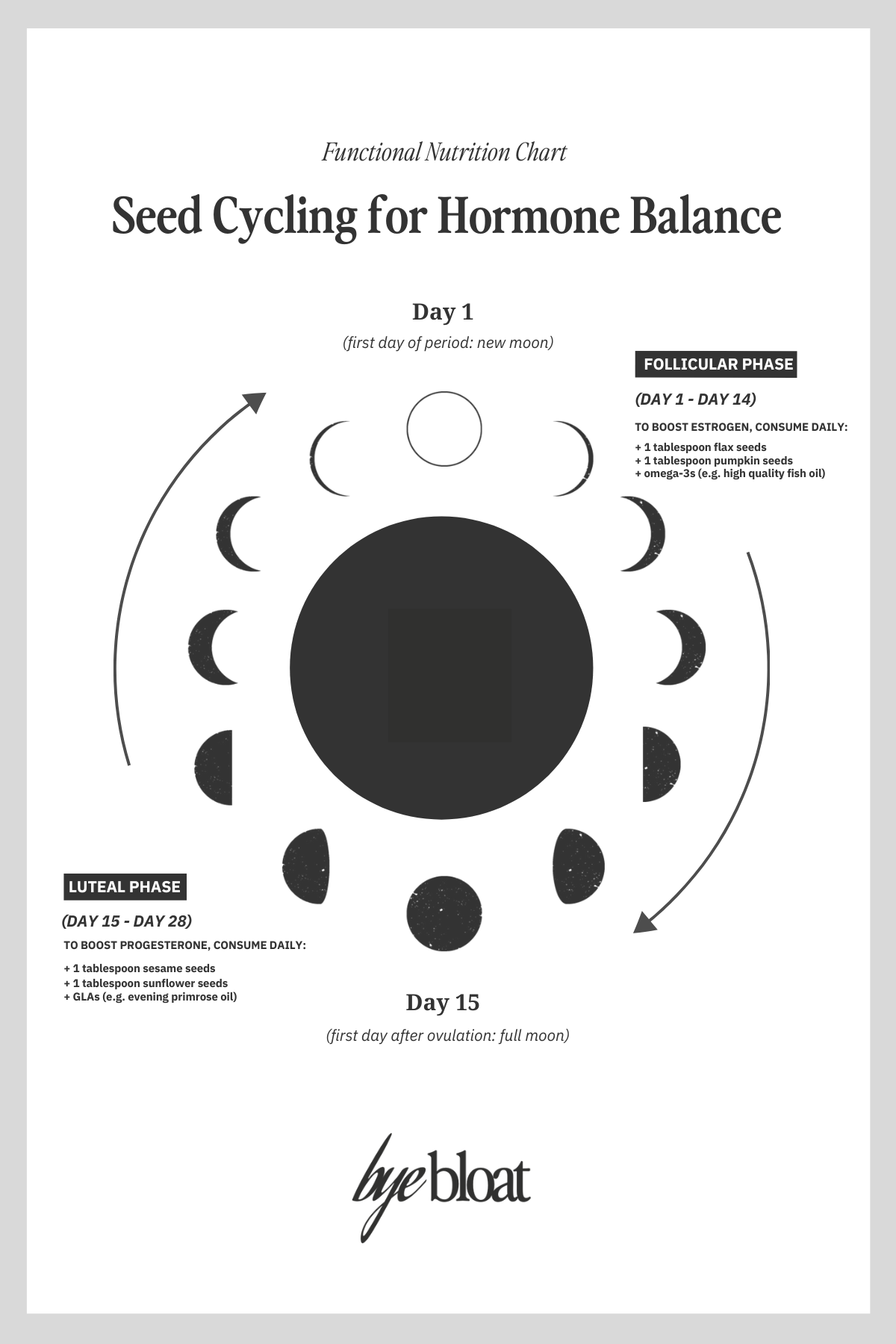
Follicular Phase (Days 1–14)
Begins on the first day of your period and ends at ovulation. Estrogen gradually rises during this phase.
Luteal Phase (Days 15–28)
Begins after ovulation. Progesterone increases to prepare the uterine lining while estrogen slowly tapers down.
Traditionally, these phases were thought to mirror the moon’s rhythm — follicular with the new moon, luteal with the full moon — each roughly 28 days apart. Your cycle doesn’t need to align with the moon; the lunar phases simply offer an easy rhythm to follow if your cycle is irregular.
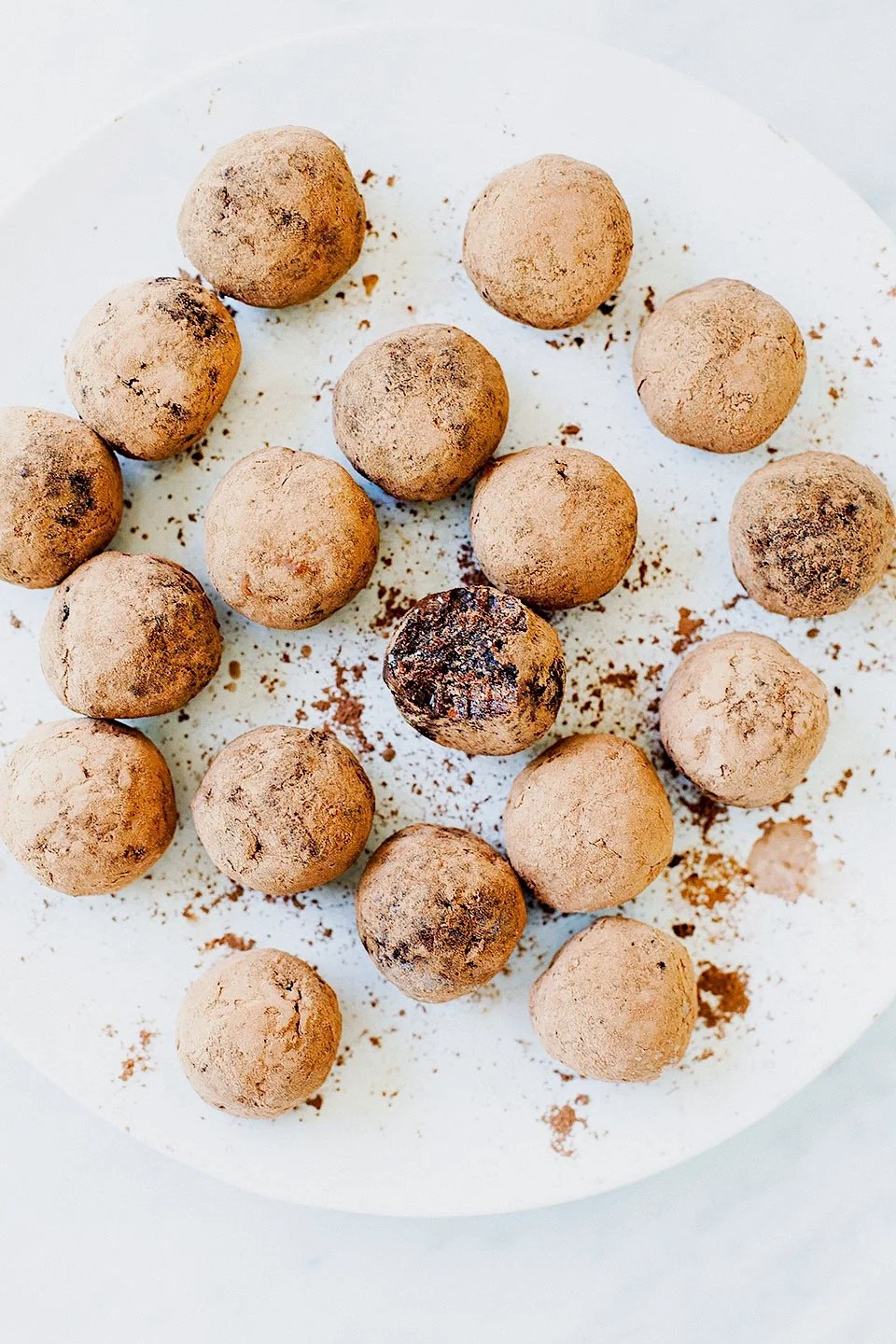
Hormone-balancing seed cycling energy bites made with ground seeds for an easy daily snack.
How Seed Cycling Works
During each phase, you’ll use a specific combination of seeds to nourish the hormonal pattern your body is naturally moving through.
Follicular Phase (Days 1–14)
Supports estrogen balance and sets the foundation for progesterone later.
1 tablespoon ground flaxseeds — rich in lignans, which bind to excess estrogen and promote elimination through digestion.
1 tablespoon ground pumpkin seeds — a source of zinc, a mineral involved in normal reproductive and hormone function.
Optional: Add omega-3s from wild fish oil or an algae-based supplement to reduce inflammation and aid hormone synthesis.
Nutrition Note: Chia and flax support both gut health and hormone metabolism thanks to their soluble fiber — this is where digestion and hormonal health meet.
Luteal Phase (Days 15–28)
Supports progesterone production and keeps estrogen in check.
1 tablespoon ground sesame seeds — rich in lignans and a source of zinc and selenium, nutrients and plant compounds involved in hormone metabolism.
1 tablespoon ground sunflower seeds — rich in vitamin E, an antioxidant nutrient involved in reproductive health.
Optional: Add evening primrose oil for extra gamma-linolenic acid (GLA) to reduce inflammation and support progesterone levels.
Consistency matters most — the nutrients in these seeds build over time to restore your body’s natural rhythm.
If Your Period Is Irregular or Missing
If your cycle isn’t regular, use the moon as your guide:
New moon to full moon: flax + pumpkin seeds
Full moon to new moon: sesame + sunflower seeds
This gives you a simple two-week rhythm to follow even when you can’t use ovulation or cycle dates as your guide.
Seed Quality + Storage
Choose raw, fresh seeds when possible, and store them properly to protect their delicate fats.
Store seeds in the fridge or freezer to prevent oxidation of delicate fats.
Grind seeds just before using, especially flax and sesame. If short on time, grind a larger batch and store it frozen for up to a month.
How to Add Seeds to Your Routine
The easiest approach is to add your daily seeds to foods you already eat — add them to:
Smoothies or smoothie bowls
Yogurt, chia pudding, or oatmeal
Salads, soups, or roasted veggies like the Carrot and Sunflower Seed Salad
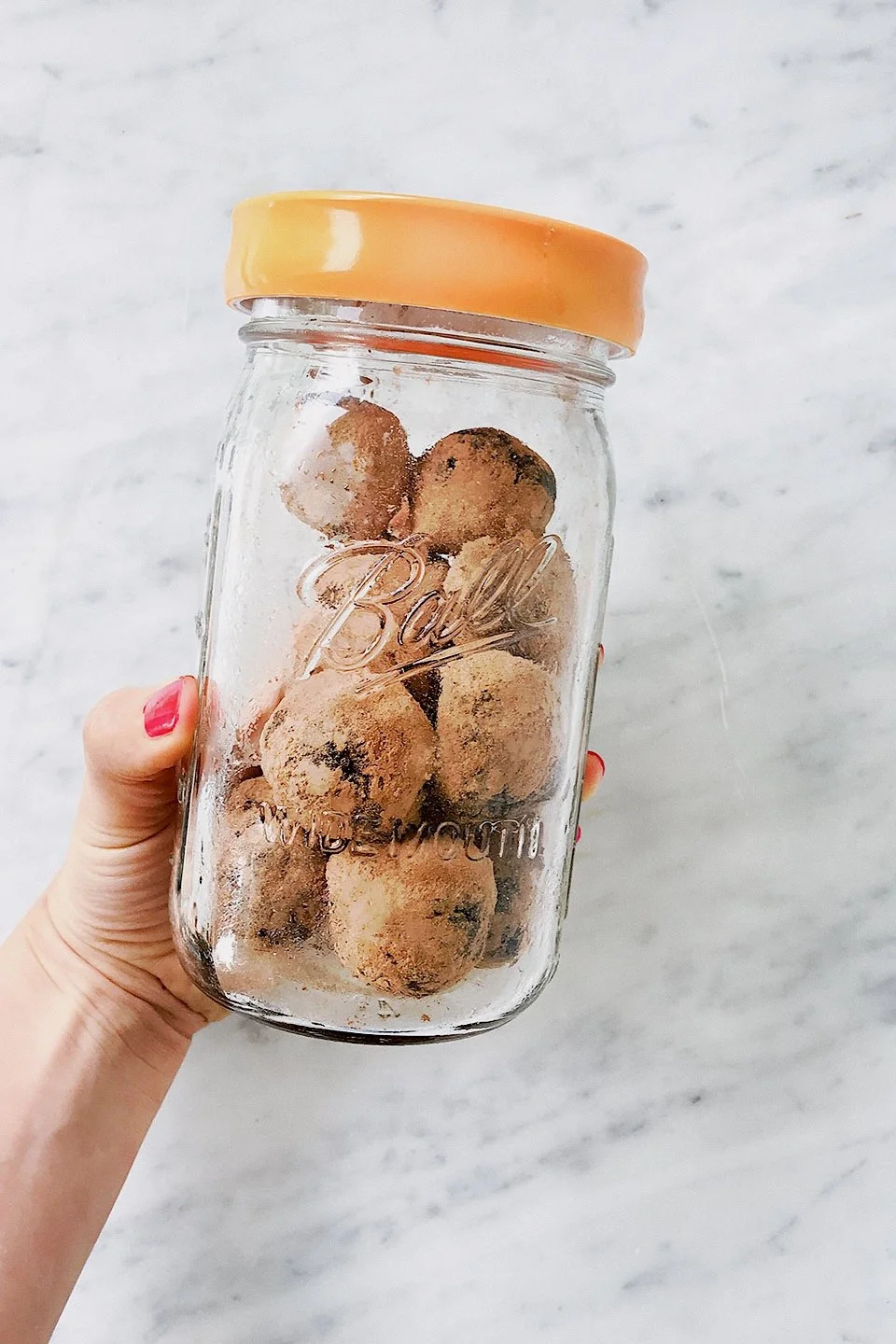
Hormone-balancing seed cycling energy bites made with ground seeds - get the recipe here.
How Long It Takes to Work
There’s no established timeline for seed cycling. If you want to see whether it makes a difference for you, give the practice a few cycles and track changes in your cycle length, PMS symptoms, skin, mood, or digestion along the way.
Tracking your cycle using an app or thermometer helps you see progress and stay consistent.
FAQs About Seed Cycling
How long should I seed cycle?
There’s no established timeframe, but trying it consistently for a few cycles gives you time to notice whether anything changes. Some women continue indefinitely as part of their nutrition routine — others taper once symptoms stabilize.
Can I seed cycle if I’m on birth control?
Yes. While birth control suppresses ovulation, the nutrients in seeds still support your liver, gut, and natural hormone metabolism.
Can I seed cycle without a period?
You can use the moon phases as a simple two-week schedule if you don’t have a regular cycle to follow. If your period is unexpectedly missing or persistently irregular, it’s worth discussing with your healthcare provider.
Do I need to grind the seeds?
Flax is best ground so your body can access more of its nutrients. Sesame can be ground or eaten whole; pumpkin and sunflower seeds work well whole.
What if I miss a few days?
It’s fine — just pick up where you left off. Consistency matters more than perfection.
Are there any risks?
Seed cycling is gentle and food-based, but if you’re pregnant, breastfeeding, or managing a medical condition, check with your healthcare practitioner before supplementing with oils or herbs.
Final Thoughts
Seed cycling is a simple, nourishing ritual — one that connects nutrition, digestion, and hormone balance. By supporting the gut-hormone axis with real food, you help your body do what it was designed to do: find equilibrium.
Consistency, quality, and self-observation are key. Over time, these small daily practices build resilience — not just in your hormones, but in your energy, skin, mood, and overall digestion.