
Why Stomach Acid Matters for Digestion
Your digestion affects everything — from energy to skin health, mood, and hormones. And while symptoms like heartburn and reflux are often associated with too much stomach acid, low stomach acid can cause digestive symptoms, too.
Low stomach acid (also called hypochlorhydria) can lead to bloating, reflux, food sensitivities, and fatigue. Understanding your stomach acid levels is one of the simplest ways to start improving your digestion — and you can do it right at home with the baking soda stomach acid test.
What Stomach Acid Does
Breaks down protein into absorbable nutrients
Helps absorb minerals like iron, zinc, and magnesium
Defends against harmful bacteria and pathogens
Triggers bile and enzyme release for full digestion
Symptoms of Low Stomach Acid
When stomach acid is low, food sits in the stomach longer, ferments, and produces gas.
Common signs include:
Heartburn or indigestion
Bloating, cramping, or gas after meals
Constipation or diarrhea
Dry skin, brittle nails, or hair loss
Chronic fatigue
How the Baking Soda Stomach Acid Test Works
When baking soda (sodium bicarbonate) meets stomach acid (hydrochloric acid), they create carbon dioxide gas — which causes burping. The idea behind the test is that the timing of the burp may offer a rough clue about stomach acid production.
Step-by-Step: How to Take the Baking Soda Stomach Acid Test
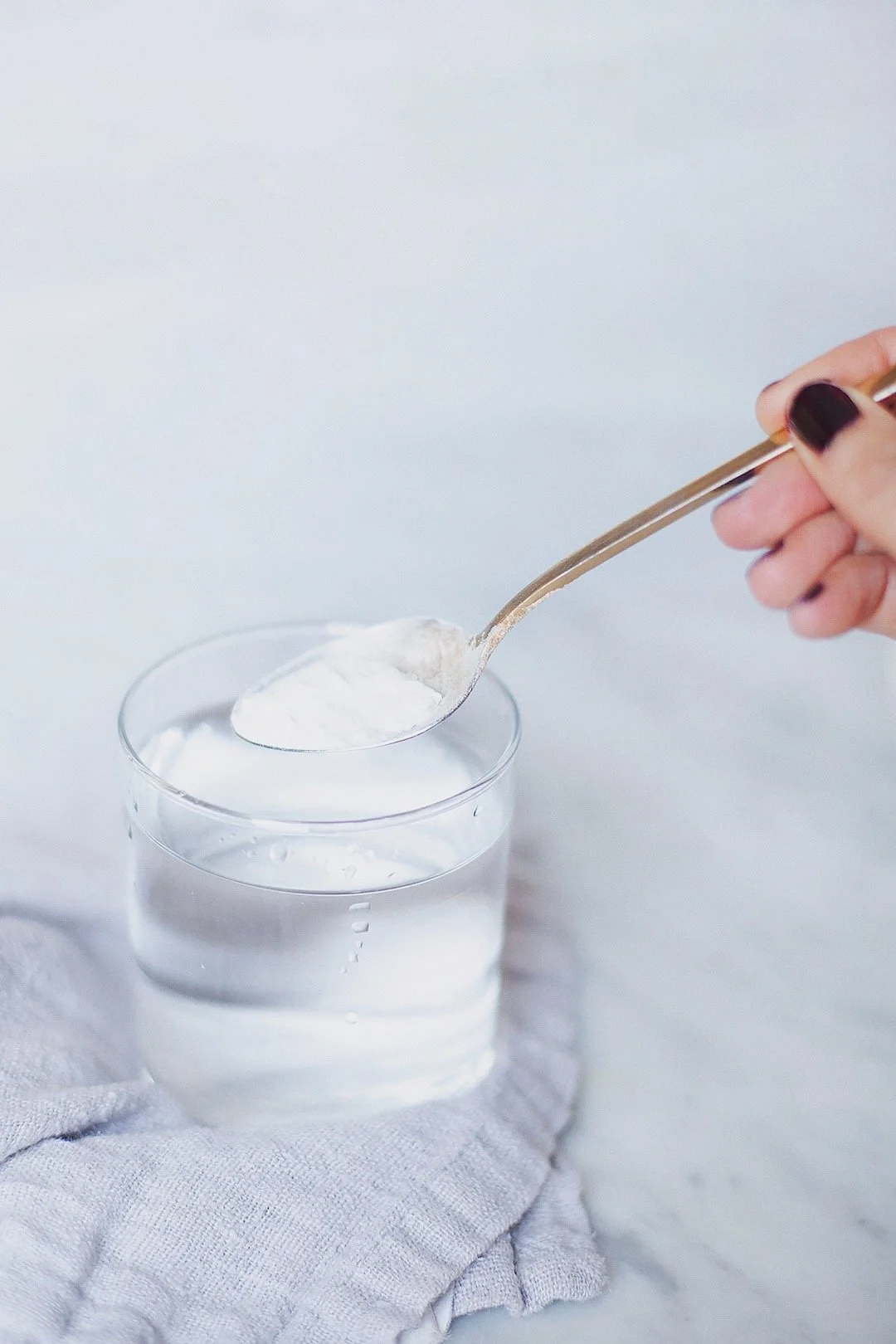
First thing in the morning (before eating or drinking), mix ¼ teaspoon baking soda in 4 oz cold water.
Drink the solution.
Start a timer and wait up to 5 minutes.
Results:
Burping within 2–3 minutes → likely adequate stomach acid.
Burping after 3+ minutes (or not at all) → may suggest low stomach acid.
How Accurate Is It?
This is a home experiment, not a diagnostic test. The baking soda test hasn't been well validated as a measure of stomach acid, so think of it as a simple observation rather than a diagnosis. If symptoms are persistent, a healthcare provider can use more reliable testing to evaluate stomach acid production.
Think You Have Low Stomach Acid? Here’s What to Do
Lemon Water or Apple Cider Vinegar
Warm lemon water (½–1 lemon) or diluted apple cider vinegar before meals can add acidity and may help support digestion.Digestive Bitters (my top pick)
Bitters made from herbs like gentian and dandelion naturally support acid and enzyme production. Take ¼ tsp before meals. Learn how to make your own digestive bitters .Betaine HCl (with caution)
Betaine HCl is used to increase stomach acidity and should be used with professional guidance. I cover stomach acid and digestive support in more detail inside the Bye Bloat Course.
FAQs
Can you test stomach acid at home?
Yes. The baking soda stomach acid test is a simple way to get insight, but it’s not a medical diagnostic tool.
What are the risks of low stomach acid?
Poor nutrient absorption, reflux, bloating, fatigue, and bacterial overgrowth.
How else can I improve digestion naturally?
Slow down while eating, chew thoroughly, and use bitters before meals.
Key Takeaway
The Baking Soda Stomach Acid Test is a simple, inexpensive way to learn more about your digestion. While not diagnostic, it can be a simple starting point for paying closer attention to your digestive patterns.
Want to support your digestion more broadly?
Start with the free 3-Day Digestion Reset.
Ready to go deeper?
Explore the Bye Bloat Course.