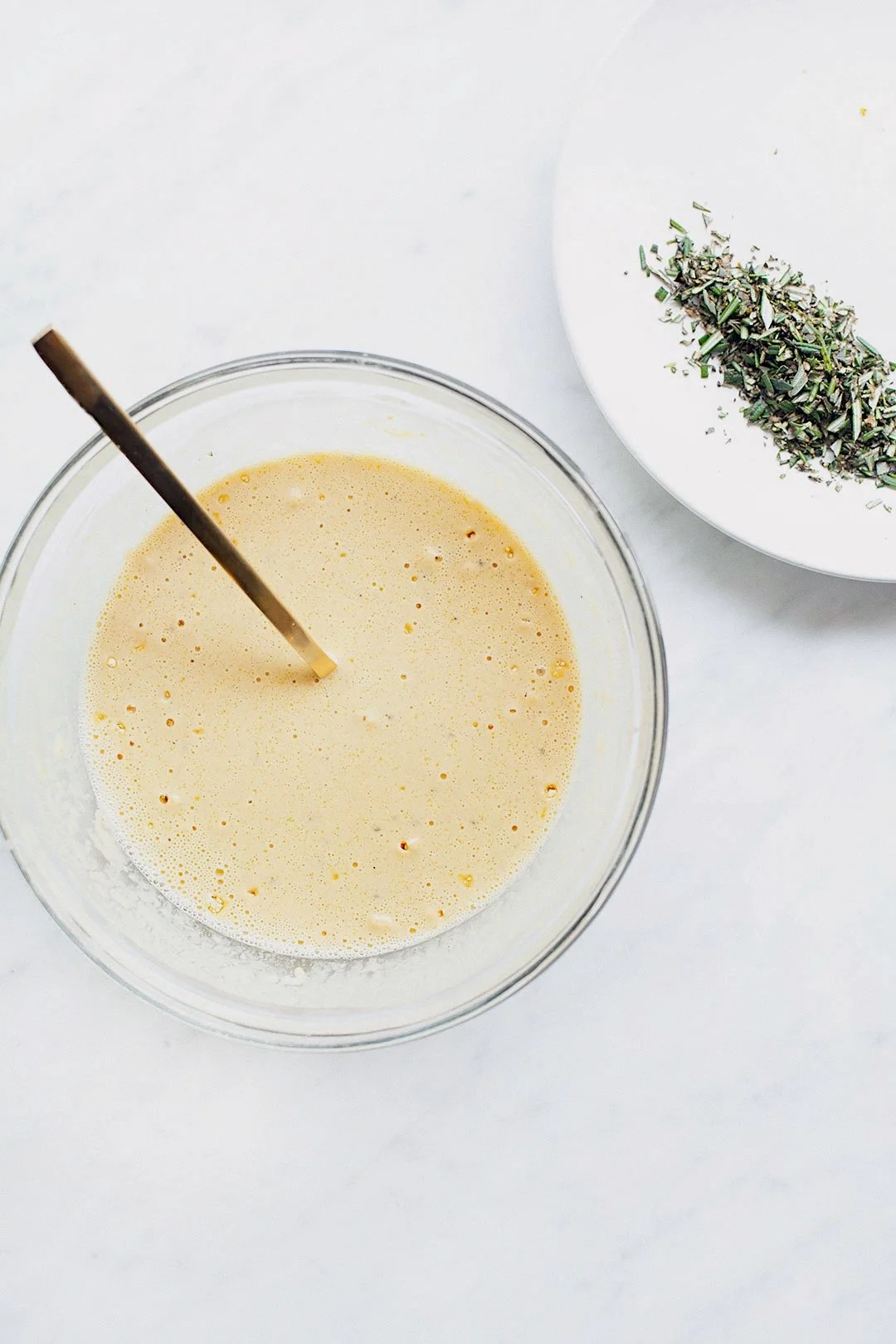
A simple, protein-rich flatbread made from chickpea flour that’s naturally gluten-free, fiber-rich, and endlessly versatile. Learn how to make socca at home — plus my favorite topping ideas for every craving.
What Is Socca?
Socca is a naturally gluten-free flatbread from Nice, France, made with just three ingredients — chickpea flour, water, and olive oil. Think of it as a cross between a pancake and a pizza crust — crisp on the outside, tender inside, and deeply satisfying.
From a digestive health perspective, chickpea flour provides fiber and resistant starch, which can help nourish beneficial gut bacteria and support a healthy digestive system. Socca is also an easy way to add more plant-based protein and minerals (like magnesium and iron) into your diet — no gluten or refined flours required.
Why It’s Great for Digestion
Chickpea flour is rich in prebiotic fiber that supports healthy gut bacteria and regularity.
Olive oil adds healthy fats that help with the absorption of fat-soluble vitamins.
Simple ingredients make socca naturally gluten-free and easy to customize.
Pair it with arugula, tahini, or roasted vegetables for a simple meal with plenty of fiber, healthy fats, and plant-based nutrients.
How to Make Socca
There are two easy methods — stovetop or oven — depending on how many servings you’re making.
The Golden Ratio
1 cup chickpea flour + 1 cup water + 1 tablespoon olive oil + ½ teaspoon sea salt
That’s it! This makes about 4 servings. To scale down, simply use ¼ cup chickpea flour + ¼ cup water + 1 teaspoon olive oil per serving.
Stovetop Method (Best for 1–2 Servings)
Mix the batter.
Whisk together chickpea flour, water, olive oil, and salt until smooth. Let rest for 5–10 minutes to hydrate the flour. Optional: stir in chopped rosemary, cumin, or black pepper.Preheat the pan.
Heat a small cast-iron or nonstick skillet with a touch of olive oil over medium-high heat.Cook the socca.
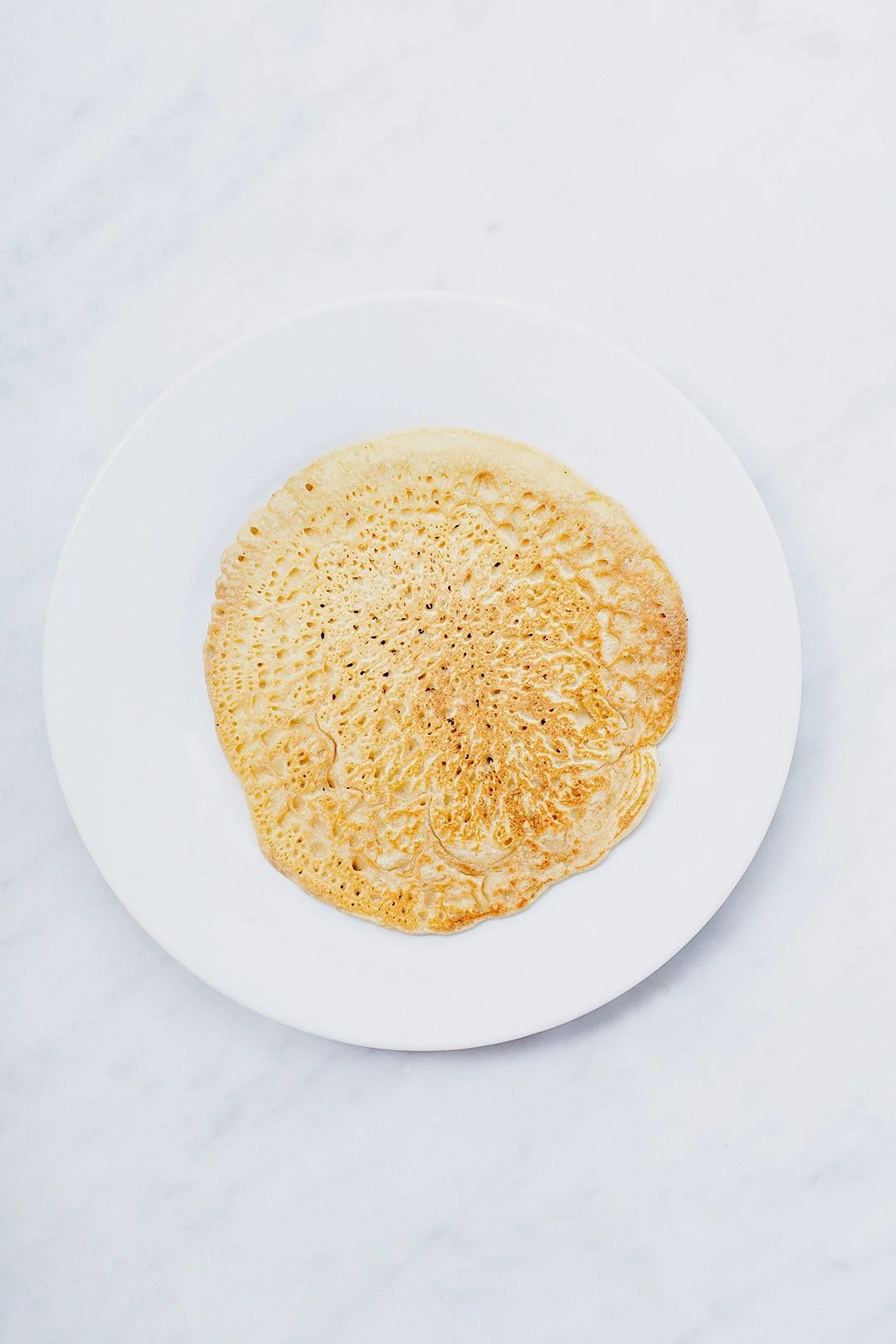
Pour in ¼ cup batter (for one serving), swirl to coat the pan, and cook for 3–4 minutes until edges lift easily and the bottom is golden. Flip and cook 1–2 minutes more.Repeat as needed.
Keep warm in a low oven while cooking remaining batches.
Oven Method (Best for 3–4 Servings)
Preheat oven + pan.
Place a well-seasoned cast-iron pan in the oven and preheat to 450°F.Mix batter.
Whisk chickpea flour, water, olive oil, and salt until smooth. Rest 5–10 minutes.Bake.
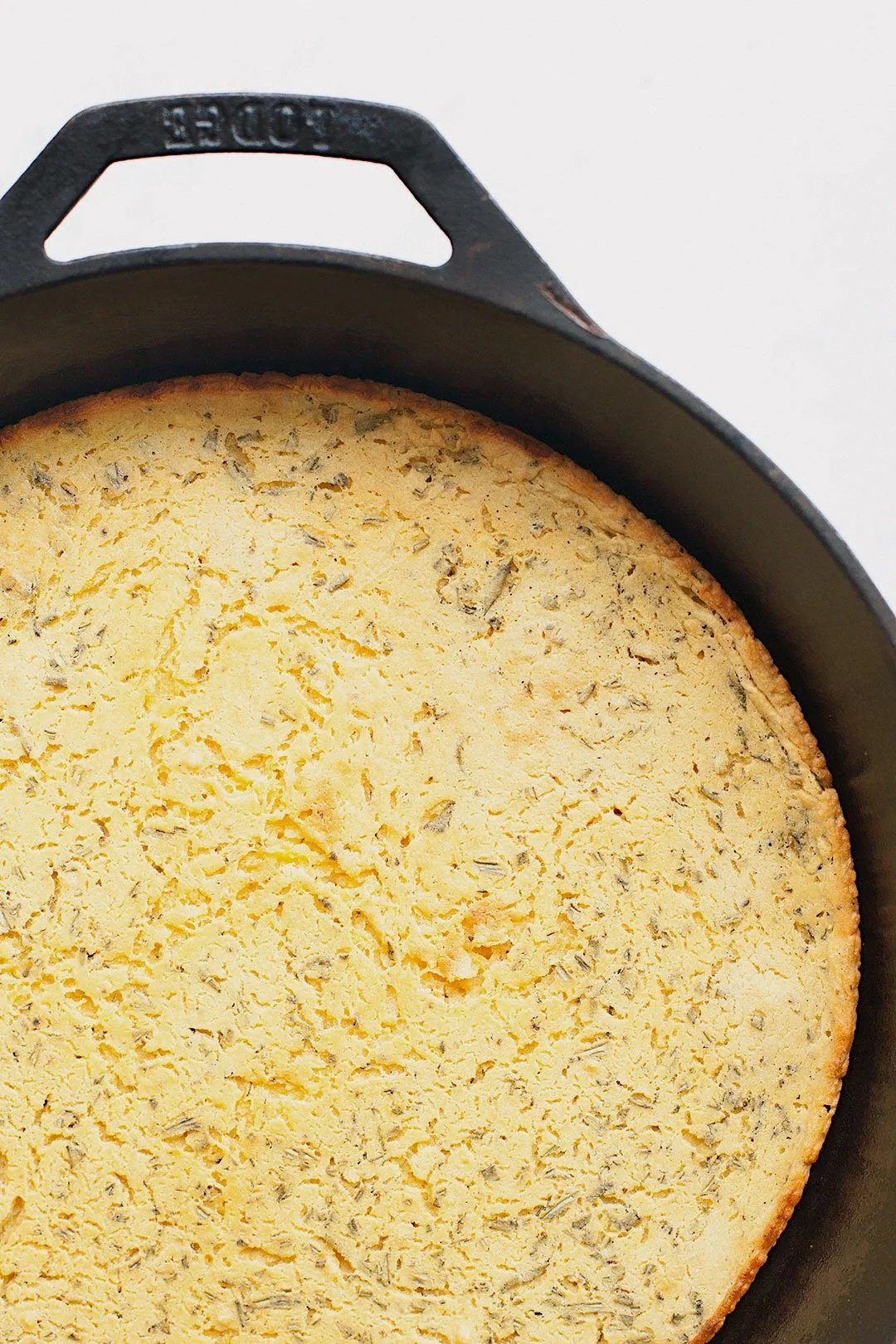
Carefully remove the hot pan, drizzle with olive oil, swirl to coat, then pour in the batter. Bake 15–20 minutes until firm and edges are crisp.Cool + slice.
Let cool slightly, then cut into wedges and serve warm.
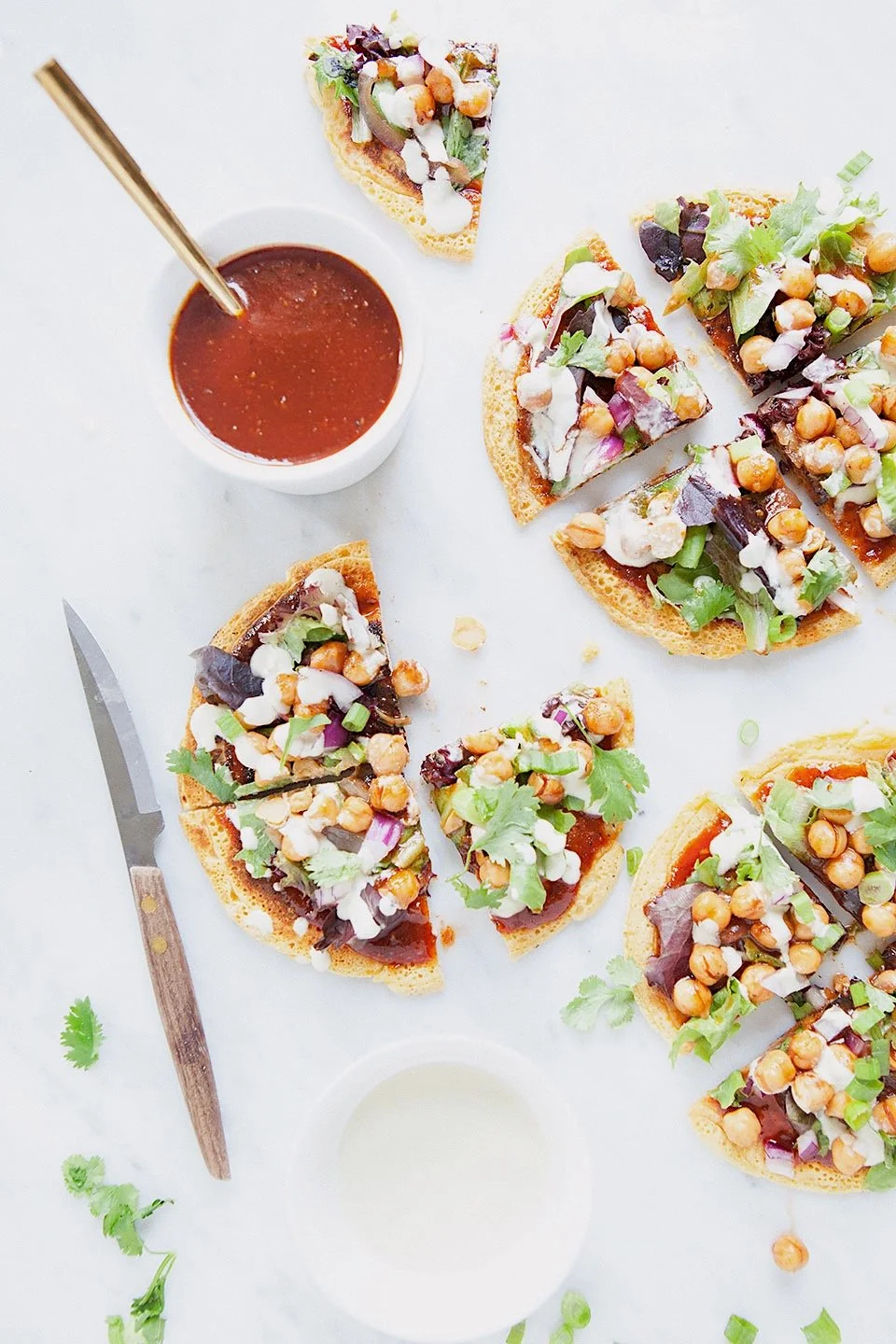
Favorite Topping Ideas
Savory
Pear + Arugula + Parmesan
Hummus + Avocado + Za’atar
Wild Mushroom + Spinach + Truffle Salt
Tomato Sauce + Mozzarella + Fresh Basil
Pesto + Ricotta + Cherry Tomatoes
Sweet
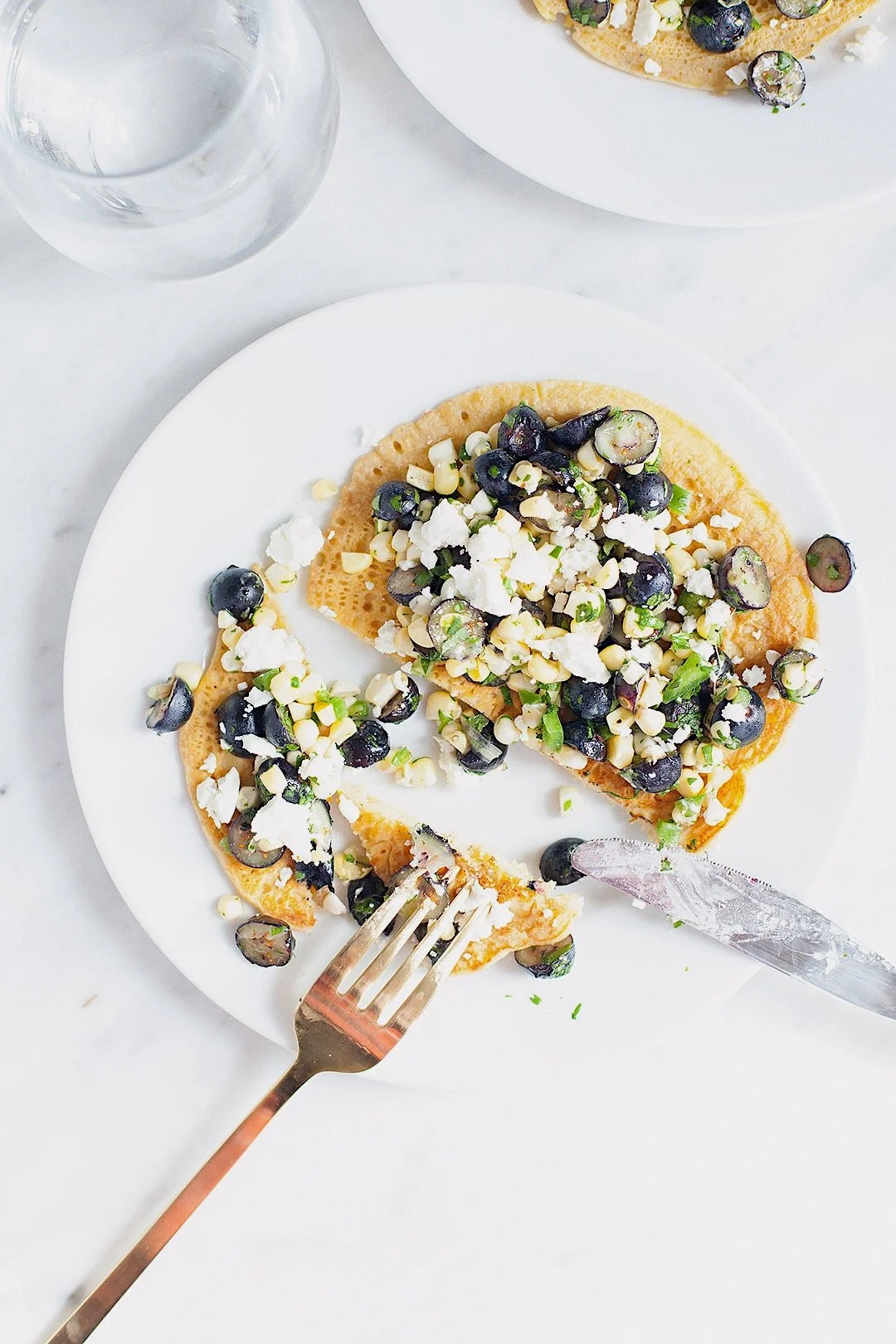
Blueberry + Corn + Goat Cheese
Grass-fed Butter + Maple Syrup + Pecans + Cinnamon
Storage & Meal Prep Tips for Socca
Socca keeps beautifully for meal prep.
Store plain socca wedges in an airtight container in the fridge for up to 4 days.
Reheat in a skillet or toaster oven before adding toppings.
For longer storage, freeze flat between parchment sheets and reheat directly from frozen.
A Simple, Gut-Healthy Socca Recipe
Socca is simple, nourishing, and gut-friendly — proof that the best food doesn’t need to be complicated. With just chickpea flour, water, and olive oil, you can create a foundation for endless meals that support digestion and satisfy on every level.
How to Make Socca (Chickpea Flatbread)
A simple, gut-friendly chickpea flatbread made from chickpea flour, water, and olive oil. Naturally gluten-free, high in fiber and plant protein, and perfect for topping, layering, or using as a healthy pizza base.
Ingredients
- 1 cup chickpea (garbanzo) flour
- 1 cup water
- 1 tablespoon extra virgin olive oil, plus more for the pan
- 1/2 teaspoon sea salt
- Optional: 1 tablespoon chopped fresh rosemary, cracked pepper, or spices
Method
- In a bowl, whisk together the chickpea flour, water, olive oil, and sea salt until very smooth. Let the batter rest for 5–10 minutes to hydrate. Stir in rosemary or other seasonings, if using.
- For the stovetop: Lightly oil a small, well-seasoned cast-iron or nonstick skillet and heat over medium-high. Pour in about 1/4 of the batter (for one socca), swirl to coat, and cook 3–4 minutes until the bottom is golden and the top is almost set. Flip and cook 1–2 minutes more. Repeat with remaining batter.
- For the oven: Place a 12–15 inch cast-iron pan in the oven and preheat to 450°F (232°C). When hot, carefully remove the pan, add a drizzle of olive oil, swirl to coat, and pour in all of the batter. Bake 15–20 minutes, until firm and the edges are crisp. Cool slightly, then cut into wedges.
- Serve warm with your favorite toppings: hummus and greens, tomato and basil, sautéed mushrooms, or even maple and pecans for sweet.
More Digestion-Friendly Recipes
Try the Carrot and Sunflower Seed Salad alongside socca for a simple, fiber-rich meal.